ECNV Submits Public Comments Opposing Medicaid Work Requirement Rule
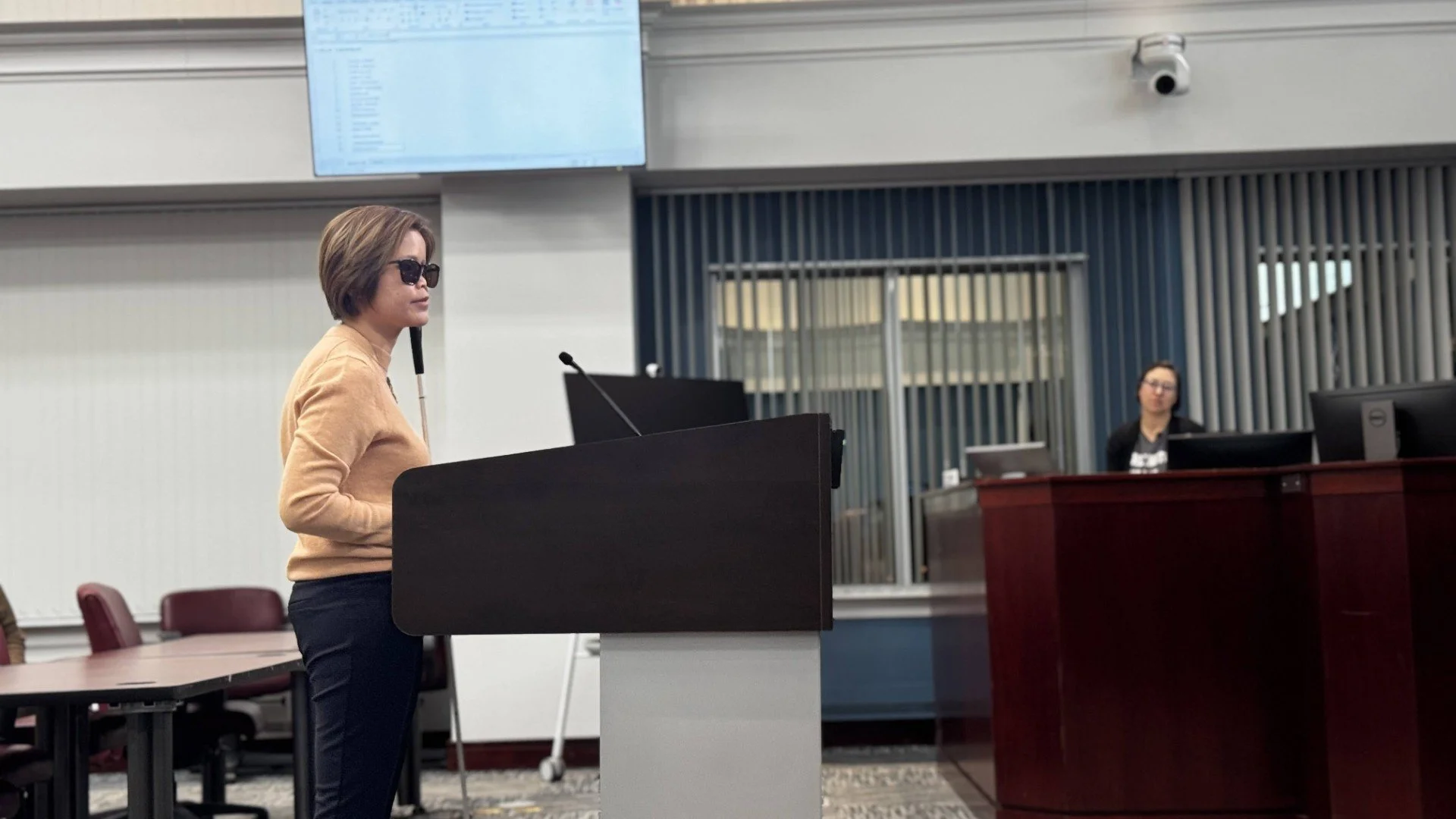
ECNV has submitted formal comments to the Centers for Medicare & Medicaid Services (CMS) opposing the Interim Final Rule on Medicaid community engagement requirements (Docket ID CMS-2026-2047), signed by Executive Director Dominique Dunford and submitted July 31, 2026.
Advocacy Radar: Changes in Washington Threaten Disability Rights and Programs
On June 18, the Department of Justice (DOJ) released a legal memo saying that federal disability rights laws do not require states to provide services in the most integrated setting.
MONITORING: All But the Most Disabled Threatened by Medicaid Work Requirements
New federal work requirements could cause people with disabilities in the Medicaid expansion population to lose coverage — even when they should qualify for an exemption. Medicaid is a critical source of health care and home and community-based services (HCBS) that help many people with disabilities live independently. Last year, H.R. 1 added new work requirements to Medicaid expansion programs, putting coverage at risk for people who may face barriers to work, documentation, or navigating the exemption process.
Advocacy Radar: Divide to Conquer? Education and Civil Rights Being Split Apart
On June 16, the Trump administration announced new interagency agreements that would shift some responsibilities for special education and civil rights enforcement from the Department of Education to other federal agencies. In plain language, an interagency agreement is an arrangement between federal agencies about how they will share or carry out work — but disability and education advocates are concerned that these agreements could make it harder for families to know where to go for help.
Advocacy Radar: DOJ Memo Threatens the Right to Live in the Community
It’s been a busy — and deeply alarming — few weeks in Washington. Three major things have happened this month that directly affect people with disabilities.
2026 Virginia Legislative Update on Disability-Related Bills
What happens when a student needs more support at school? What happens when a person under guardianship wants to vote? What happens when someone with a developmental disability is in crisis or becomes involved in the court system?
These are not just policy questions. They affect whether people with disabilities can learn, vote, live in their communities, and get support when they need it most.
Several bills addressing these issues passed during the 2026 Virginia General Assembly session and have now been signed into law. Here’s what passed — and what didn’t — and what it means for you.
Same Destination, Different Timelines: Why Accessibility Work in Virginia Isn’t Slowing Down
The DOJ recently extended federal digital accessibility deadlines—but what does that actually mean for the work happening here in Virginia? In our latest blog post, we break down how the federal update and Virginia’s 2025 update to the Information Technology Access Act work together, and why accessibility efforts are still moving forward. We also highlight how initiatives like ECNV’s DIVA are helping turn policy into real, usable change. Read more to see why the destination hasn’t changed—and why the work continues now.
Legislative Update: Good News at Crossover
We have encouraging news from the Virginia General Assembly.
All of ECNV’s priority bills have made it through crossover day, which was on Tuesday, February 17, 2026. This is a key milestone when bills must clear their chamber of origin in order to continue moving forward.